Ailit's E-Invoicing Integration Marks Shifting SME Compliance Dynamics in Southeast Asia
Ailit, a Kingdee ecosystem platform, demonstrated seamless integration of e-invoicing with inventory management at Singapore's InvoiceNow Fair 2026, highlighting emerging trends in Southeast Asian SME compliance tools.
Key takeaways
- Ailit demonstrated seamless integration of e-invoicing with inventory management at Singapore's InvoiceNow Fair 2026, showcasing automatic GST calculation and invoice synchronization for compliance.
- The platform supports 155 currencies and multiple languages, with server infrastructure based in Singapore, indicating a strategy for cross-border compliance readiness.
- The convergence of inventory management and e-invoicing compliance into unified platforms is an emerging trend in Southeast Asia, driven by regulatory push for Peppol-adjacent standards.
Context
Singapore's e-invoicing framework, InvoiceNow, operates on the Peppol network and remains the country's active standard as of August 2026. The framework is jointly governed by the Infocomm Media Development Authority (IMDA) and Inland Revenue Authority of Singapore (IRAS). On July 29, 2026, these agencies organized the InvoiceNow Fair 2026, providing a platform for vendors to showcase their compliance solutions.
The fair's significance lies in Singapore's proactive role in curating its e-invoicing ecosystem, particularly as regulators across Southeast Asia increasingly adopt Peppol-adjacent standards. This regional trend underscores the growing importance of interoperable digital infrastructure in facilitating cross-border trade and compliance.
Integration of E-Invoicing and Inventory Management
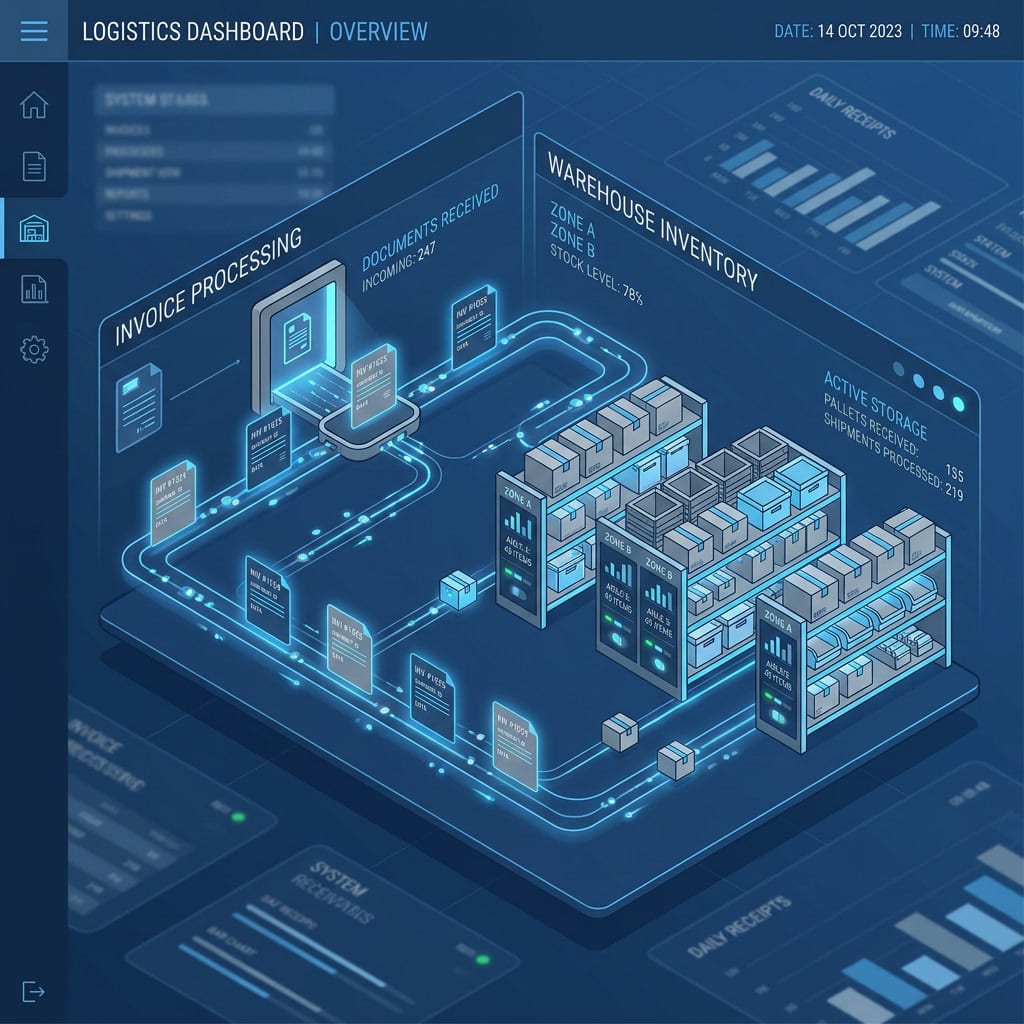
Ailit's demonstration at the fair showcased a novel integration of e-invoicing directly within inventory management workflows, covering both wholesale and retail operations on a single platform. This technical implementation includes automatic Goods and Services Tax (GST) calculation and invoice synchronization designed specifically for InvoiceNow compliance.
The platform's ability to embed e-invoicing within broader operational workflows represents a significant development in the region. This integration aligns with emerging regulatory expectations and SME needs for streamlined compliance processes.
Multi-Jurisdiction Localization Strategy
Ailit's platform supports 155 currencies and multiple languages, including Chinese, English, Thai, Spanish, Portuguese, and Arabic. The platform's server infrastructure is based in Singapore, positioning it to extend InvoiceNow-aligned workflows across Southeast Asian markets where tax digitization frameworks vary significantly.
This multi-jurisdiction, multi-language configuration suggests a strategic approach to cross-border compliance readiness. The platform's capabilities indicate potential for SMEs operating in diverse markets to manage their tax obligations more efficiently.
Outlook and Key Developments
The convergence of inventory management and e-invoicing compliance into unified platforms is an emerging pattern in Southeast Asia. As regulators push for Peppol-adjacent standards, vendors like Ailit are likely to play a crucial role in facilitating SME compliance across borders.
The InvoiceNow Fair 2026 serves as a key data point for assessing how Singapore's IMDA and IRAS are actively shaping the vendor ecosystem around the InvoiceNow framework. Future developments in this space will likely focus on enhancing interoperability and expanding multi-jurisdiction capabilities.
Frequently asked questions
- What is InvoiceNow and how does it relate to Peppol?
- InvoiceNow is Singapore's national e-invoicing framework, operating on the Peppol network. It remains the active standard as of August 2026 and is governed jointly by IMDA and IRAS.
- How does Ailit's platform facilitate e-invoicing compliance?
- Ailit integrates e-invoicing directly within inventory management workflows, covering wholesale and retail operations. The platform includes automatic GST calculation and invoice synchronization designed for InvoiceNow compliance.
- What languages and currencies does Ailit support?
- Ailit supports 155 currencies and multiple languages, including Chinese, English, Thai, Spanish, Portuguese, and Arabic. This multi-jurisdiction configuration positions the platform for cross-border compliance in Southeast Asia.
- What was the significance of InvoiceNow Fair 2026?
- The fair provided a formal regulatory venue for vendors to demonstrate compliance with Singapore's e-invoicing framework. It highlighted the IMDA and IRAS' active role in curating the vendor ecosystem around InvoiceNow.
- What emerging trends does Ailit's demonstration reflect?
- Ailit's integration of e-invoicing with inventory management reflects an emerging trend in Southeast Asia. This pattern is driven by regulators pushing for Peppol-adjacent standards and SMEs needing streamlined compliance processes.