
France's E-Invoicing Mandate: A Structural Shift in VAT Compliance
France's mandatory e-invoicing system, launching September 1, 2026, will transform how the Direction générale des Finances publiques (DGFiP) combats VAT fraud. The system targets carousel fraud—schemes involving fictitious invoices—and replaces retrospective audits with real-time verification to intercept fraudulent activity immediately.
Key takeaways
- France's e-invoicing mandate takes effect September 1, 2026, replacing post-hoc audits with real-time verification to intercept carousel fraud.
- The DGFiP estimates the system will recover €2–3 billion annually from an estimated €6–12 billion in VAT fraud.
- Comparative data shows Italy recovered €9 billion by 2022, three years after implementation, suggesting France's target may be conservative.
- Real-time data sharing across EU member states will make cross-border carousel schemes harder to execute.
- Businesses in Burgundy must prepare for operational changes involved in submitting and receiving invoices electronically.
Context
The September 2026 rollout marks a pivotal shift in France's approach to VAT compliance. The DGFiP estimates annual VAT fraud at €6–12 billion, with the e-invoicing system expected to recover €2–3 billion annually. This reform is part of a broader EU-wide effort: once all member states adopt e-invoicing infrastructure, cross-border fraud will become significantly harder to execute.
France is not the first EU country to implement mandatory e-invoicing. Italy, which mandated it in 2019, recovered approximately €9 billion in VAT by 2022. Spain anticipates a €4 billion gain against an estimated €8 billion annual VAT fraud gap. Belgium implemented e-invoicing for both emission and receipt across all enterprises effective January 1, 2026. France's €2–3 billion target is conservative relative to Italy's trajectory, suggesting potential upside if adoption and enforcement are effective.
What's Changing: Real-Time Verification
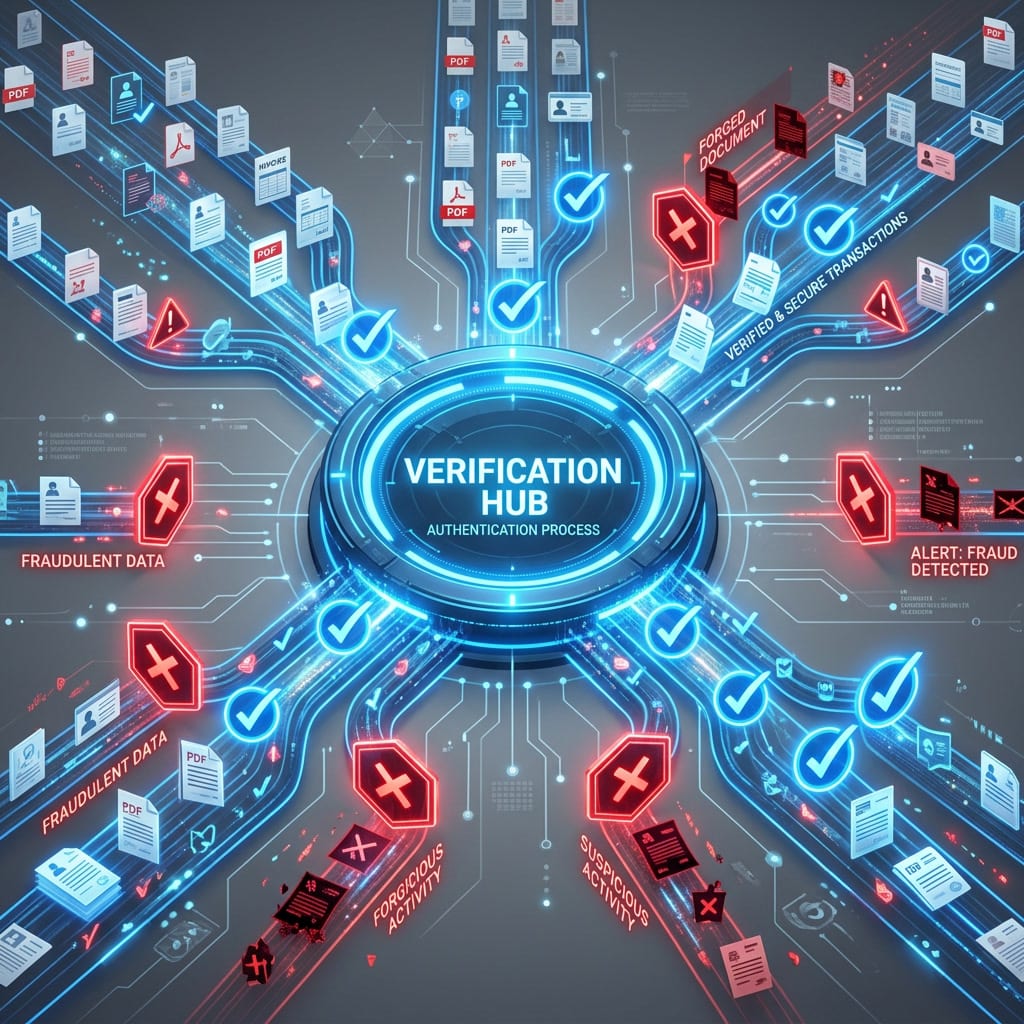
The operational core of France's reform is the shift from post-hoc audits to real-time verification via approved platforms. This redesign of audit triggers transforms compliance from a lagging indicator to a live signal, allowing the DGFiP to intercept fraudulent invoice flows at submission rather than detecting them months or years later.
Carousel fraud, known in French as factures fictives, is the primary target. Fraudsters generate fictitious invoices to claim VAT reimbursements on transactions that never occurred or cycle through shell entities across borders. The e-invoicing system will intercept these fraudulent flows at the point of submission, reducing the time and resources required for audits.
Sébastien Rabineau, DGFiP project manager, emphasized the cross-border dimension. Once all EU member states operate on e-invoicing infrastructure, real-time data sharing will make carousel schemes—typically exploiting jurisdictional gaps—significantly harder to execute. This forward-looking framing distinguishes the French rollout as a building block in a broader EU-wide compliance architecture.
Implications for Burgundy's Business Community
For businesses in Burgundy, the shift to mandatory e-invoicing will require adapting to approved platforms and real-time verification processes. SMEs, in particular, must prepare for the operational changes involved in submitting and receiving invoices electronically.
The reform presents both challenges and opportunities. While businesses must invest in compliance, the system's real-time verification will reduce the burden of retrospective audits. Additionally, the reduced VAT fraud will contribute to a more stable fiscal environment, benefiting all enterprises.
Outlook: What to Watch
In the near-term, businesses should monitor the DGFiP's guidance on approved platforms and the timeline for full implementation. Open questions include how seamlessly the system will integrate with existing accounting software and whether additional guidance will be provided for SMEs.
Second-order effects may include increased scrutiny of cross-border transactions as the EU-wide e-invoicing infrastructure develops. Businesses engaged in international trade should prepare for potential adjustments to their compliance processes.
Frequently asked questions
- What is carousel fraud?
- Carousel fraud involves generating fictitious invoices to claim VAT reimbursements on transactions that never occurred or cycle through shell entities across borders. The e-invoicing system will intercept these fraudulent flows at the point of submission.
- How will real-time verification work?
- Real-time verification involves submitting invoices through approved platforms, which check for fraudulent activity immediately rather than detecting it months or years later through audit.
- What is the expected impact of e-invoicing on VAT fraud?
- The DGFiP estimates that the e-invoicing system will recover €2–3 billion annually from an estimated €6–12 billion in VAT fraud. Italy recovered approximately €9 billion by 2022, three years after implementation.
- How will e-invoicing affect businesses in Burgundy?
- Businesses must adapt to approved platforms and real-time verification processes. While this requires investment, it will reduce the burden of retrospective audits and contribute to a more stable fiscal environment.
- What should businesses watch for in the coming months?
- Businesses should monitor the DGFiP's guidance on approved platforms and the timeline for full implementation. Additional guidance may be provided for SMEs as the system rolls out.